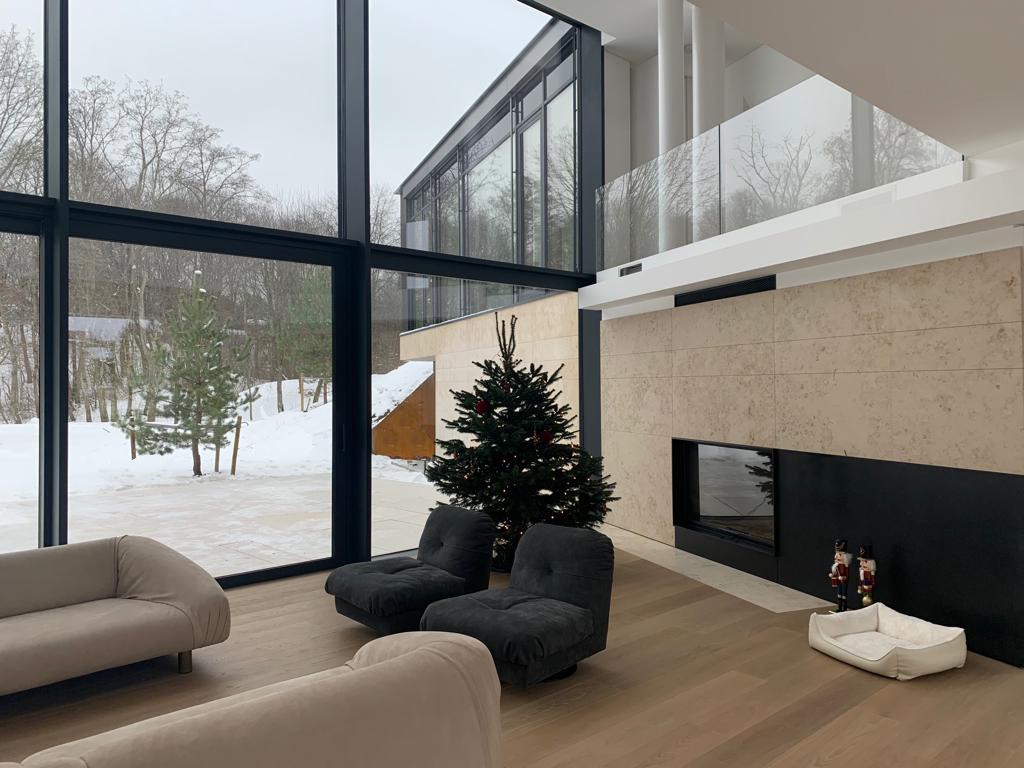


LIMESTONE
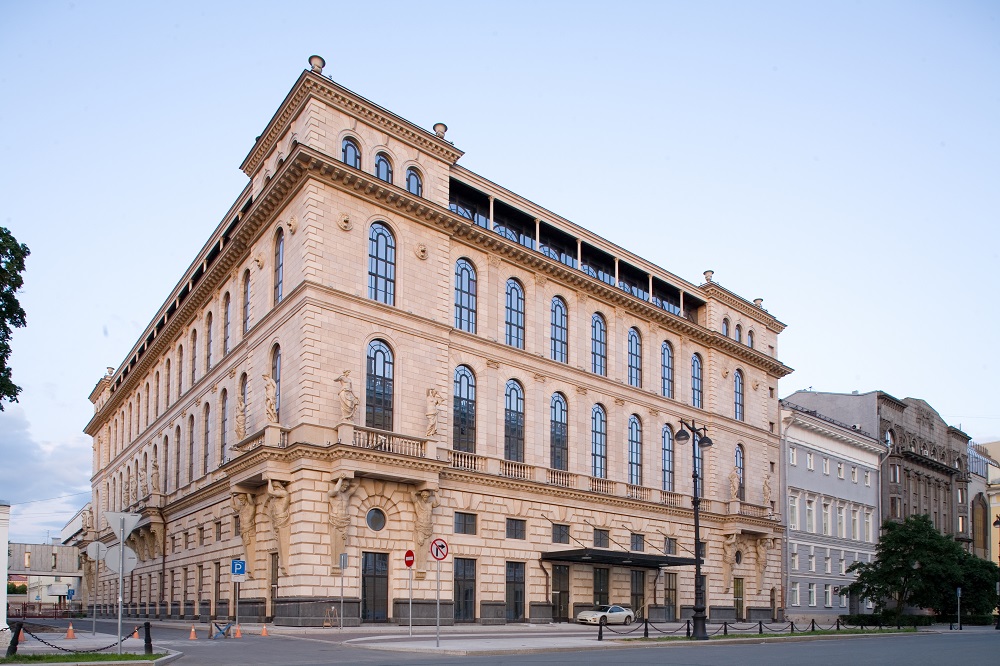
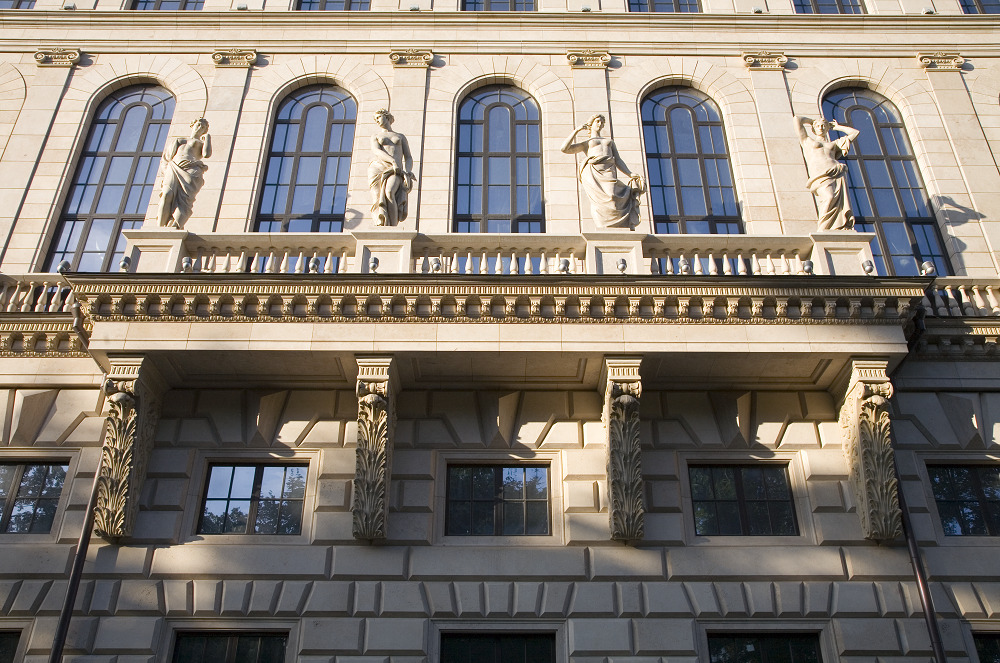
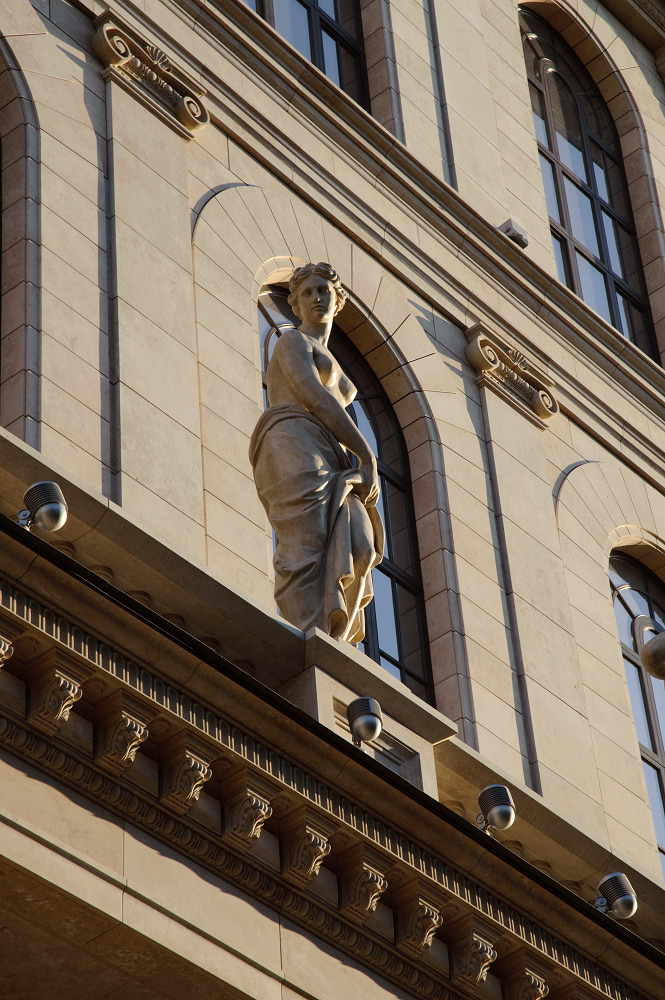
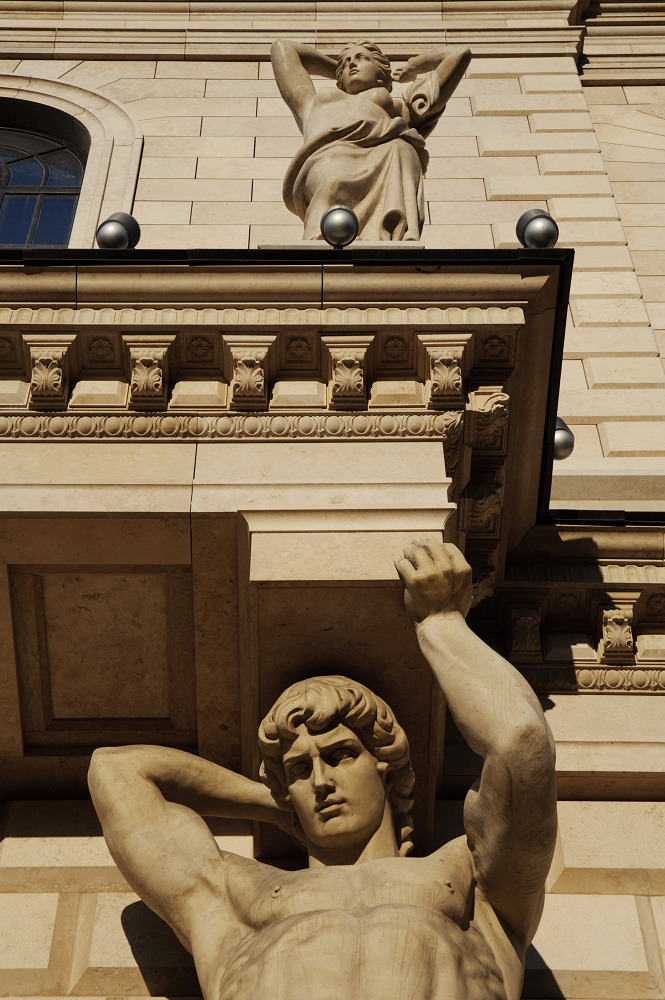
Due to its good mechanical properties, limestone has long been used in particularly important buildings and places: for decorative capitals, columns, cornices, balustrades and other architectural elements. Magnificent buildings have survived to this day, and decorative elements continue to fascinate tourists even today.
Certain types of limestone can be used for ventilated facades in northern climates. AKMI has extensive experience in installing ventilated facades. Our in-depth knowledge of natural stone types allows us to select not only the most beautiful but also the most suitable stone for your project.
Types of limestone
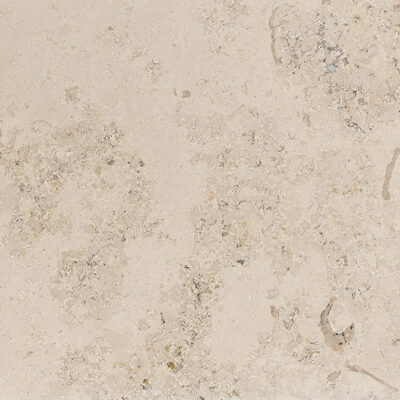
Jura Beige

Moleanos

Gascony Blue

Mocha Cream

Jura Grey

Beige Royal

Gascogne Beige
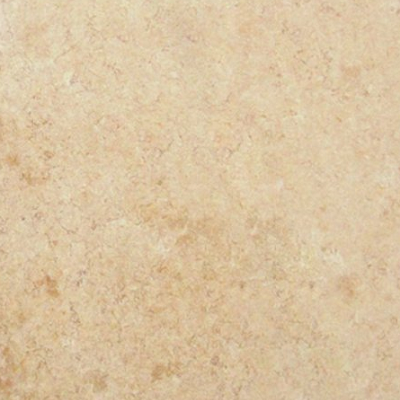
Yellow Atlantis
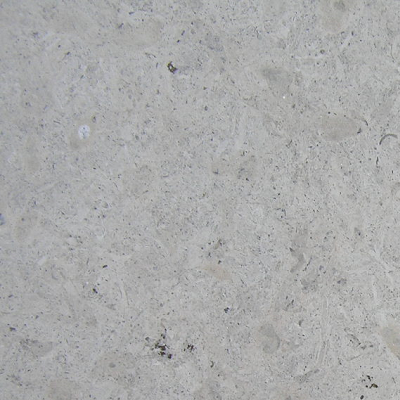
Reval

Ivory Cream

Pearl Grey

Cream S
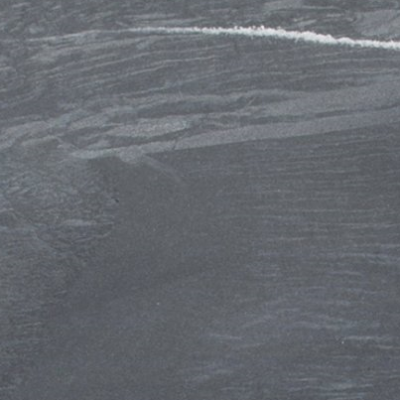
Pietra Del Cardoso

Visso Montenegro

Yellow Palmira

Sahara Bronze

Hauteville 3

Hauteville 4

Planit

Giallo Istria

Portland Taupe

Lymra
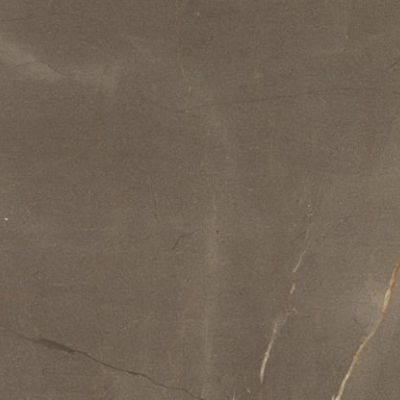
Pietra Marea

Zacevo

Grigio Fossena

Persian Beige

Pietra Piasentina

Pierre Blanc

Thala Beige

Thala Grigio

Pannonia Blue

Portland Grey
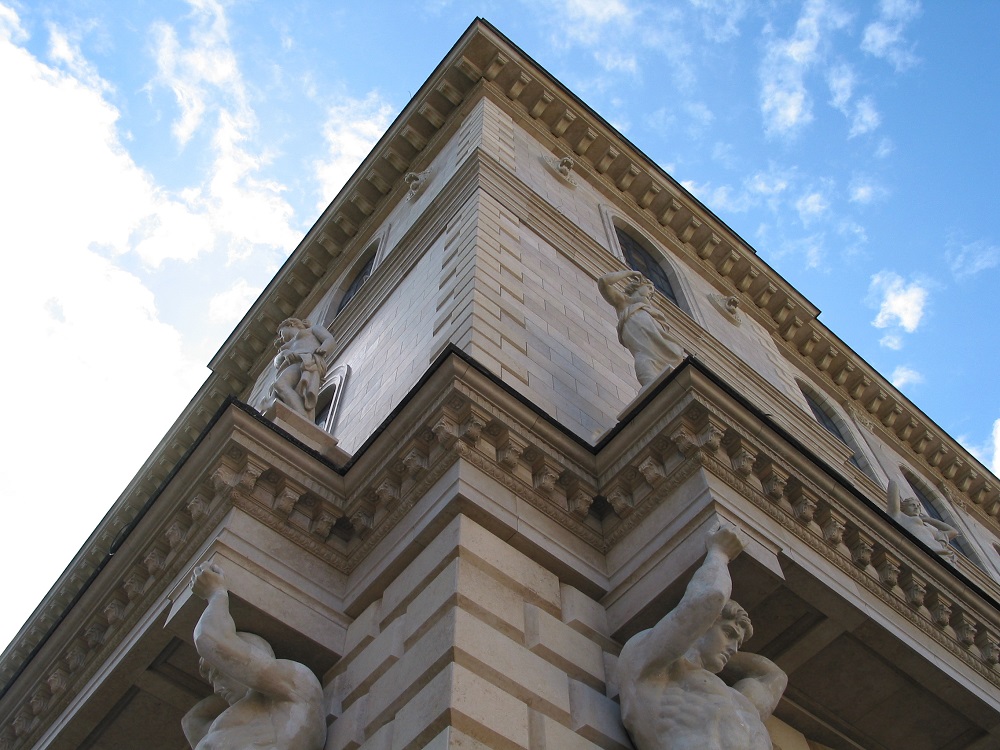
Architectural elements made of limestone
Limestone is most often used to produce exterior decorative elements. AKMI can custom-make and adapt any architectural element from various types of stone to your project. Both traditional and innovative stone processing technologies are used in production, and various surface treatment methods are possible.
In close cooperation with architects and builders, we have already implemented many orders of varying complexity. We pay close attention to every detail, for example: edge and end finishes, joint locations, pattern continuity, technological joints of parts, and surface slopes.
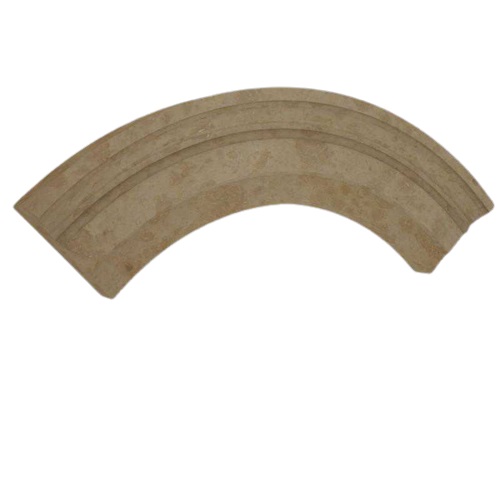
Edgings
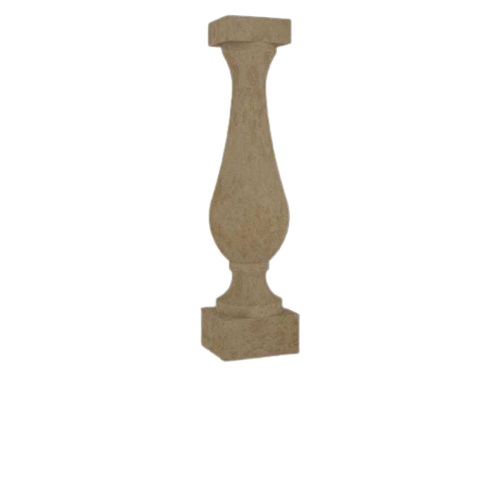
Balustrades
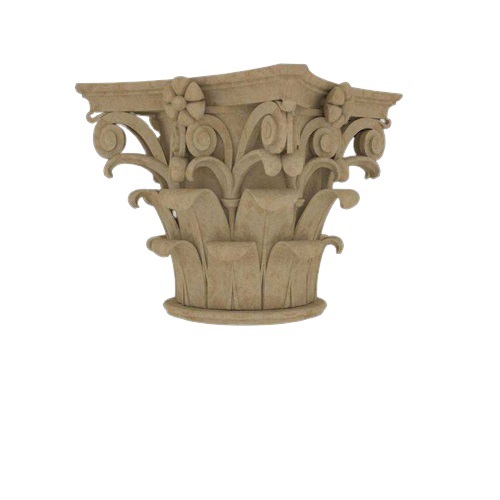
Capitals
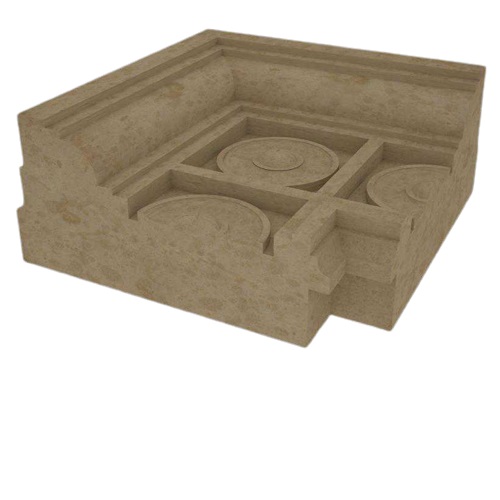
Cornices
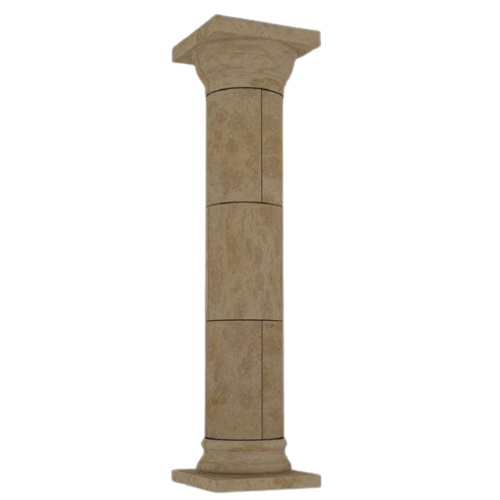
Columns
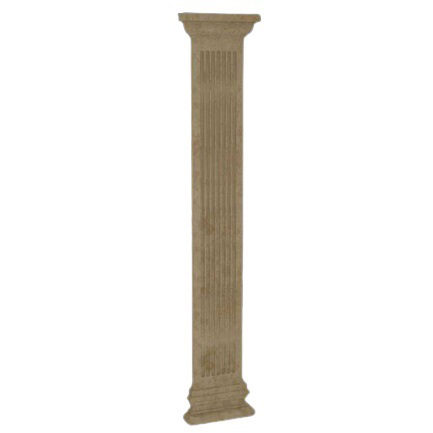
Pilasters
Technical characteristics of limestone
The most suitable stone for a specific order is selected based on the technical characteristics specified by the natural stone supplier. Field stone products have unique requirements.
Limestone colors
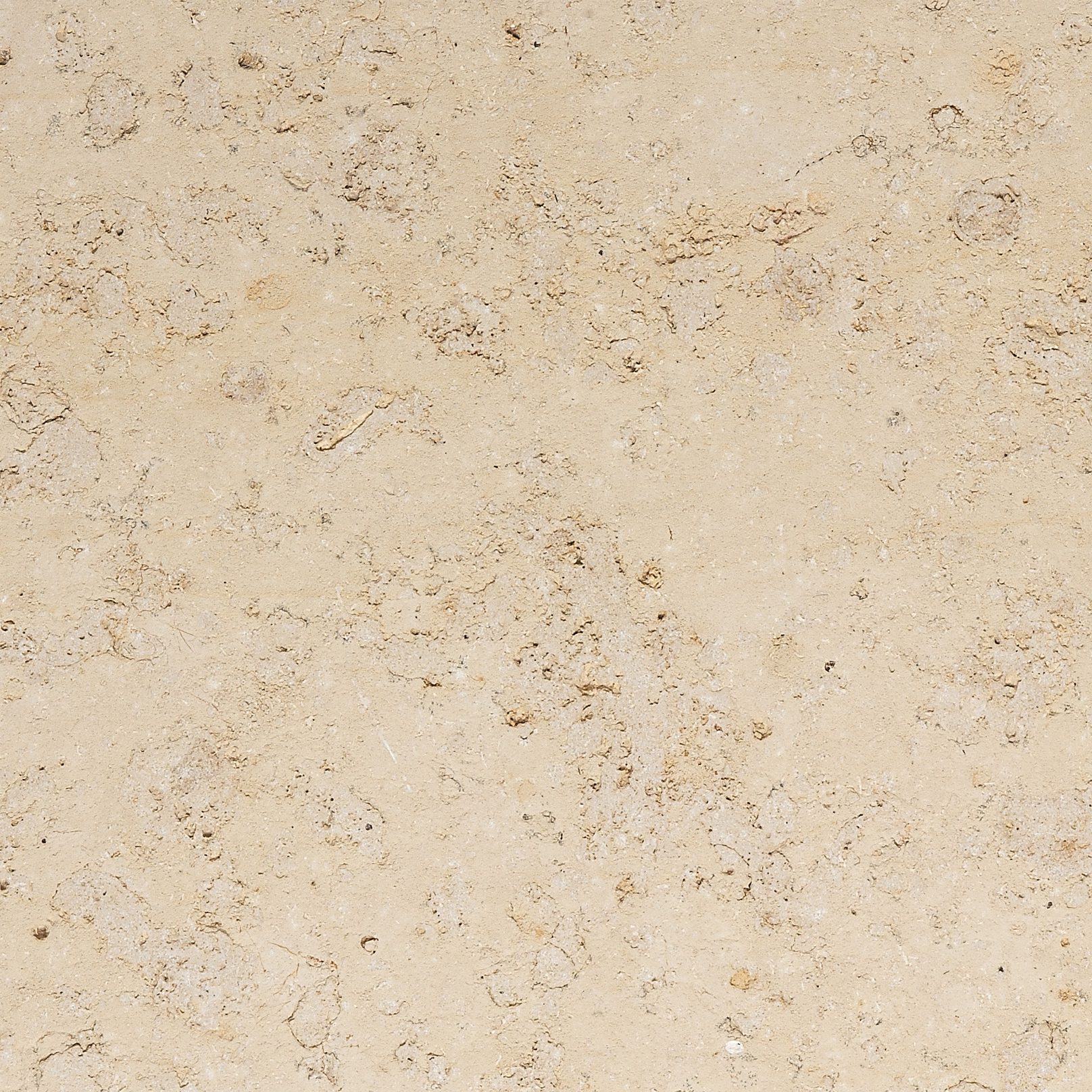
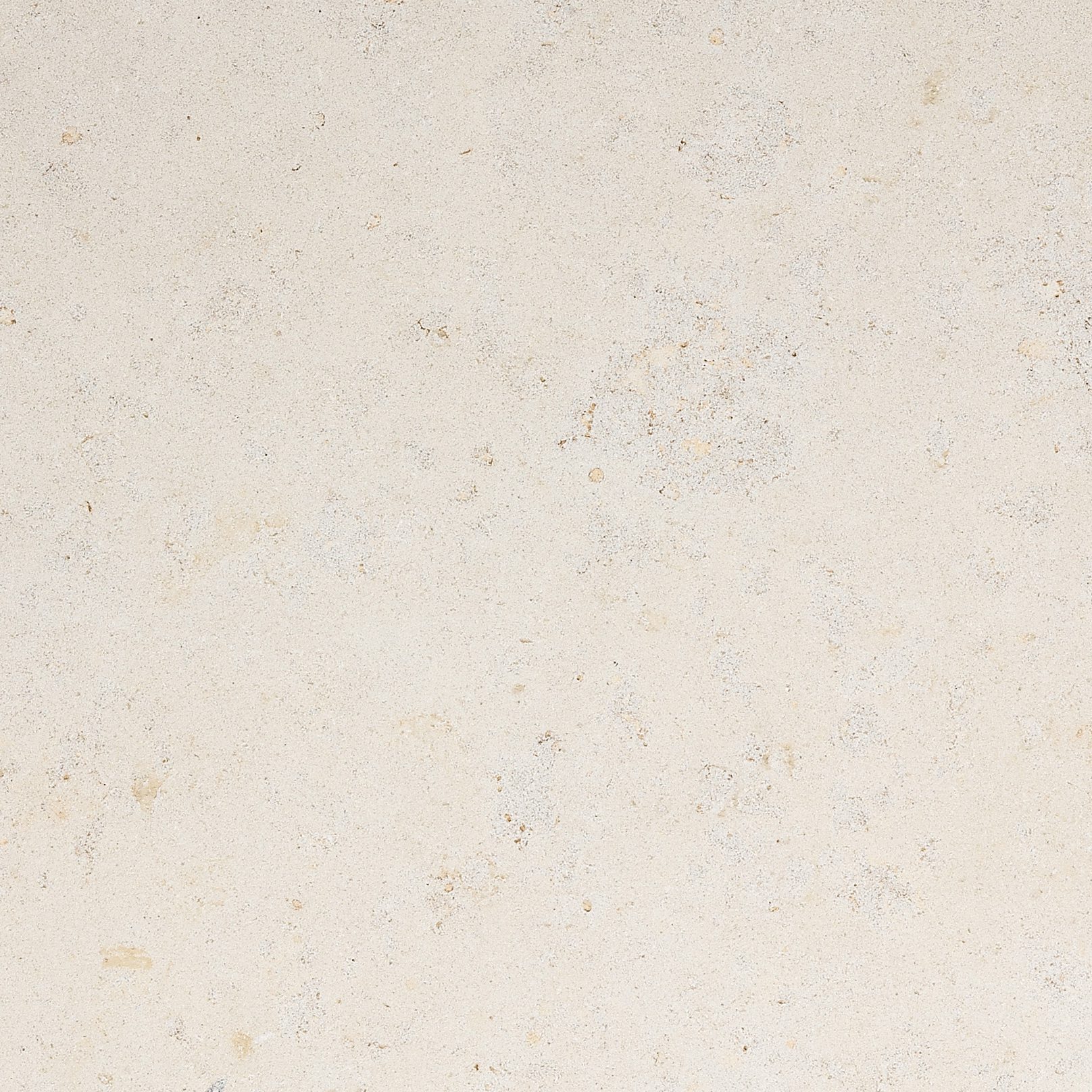
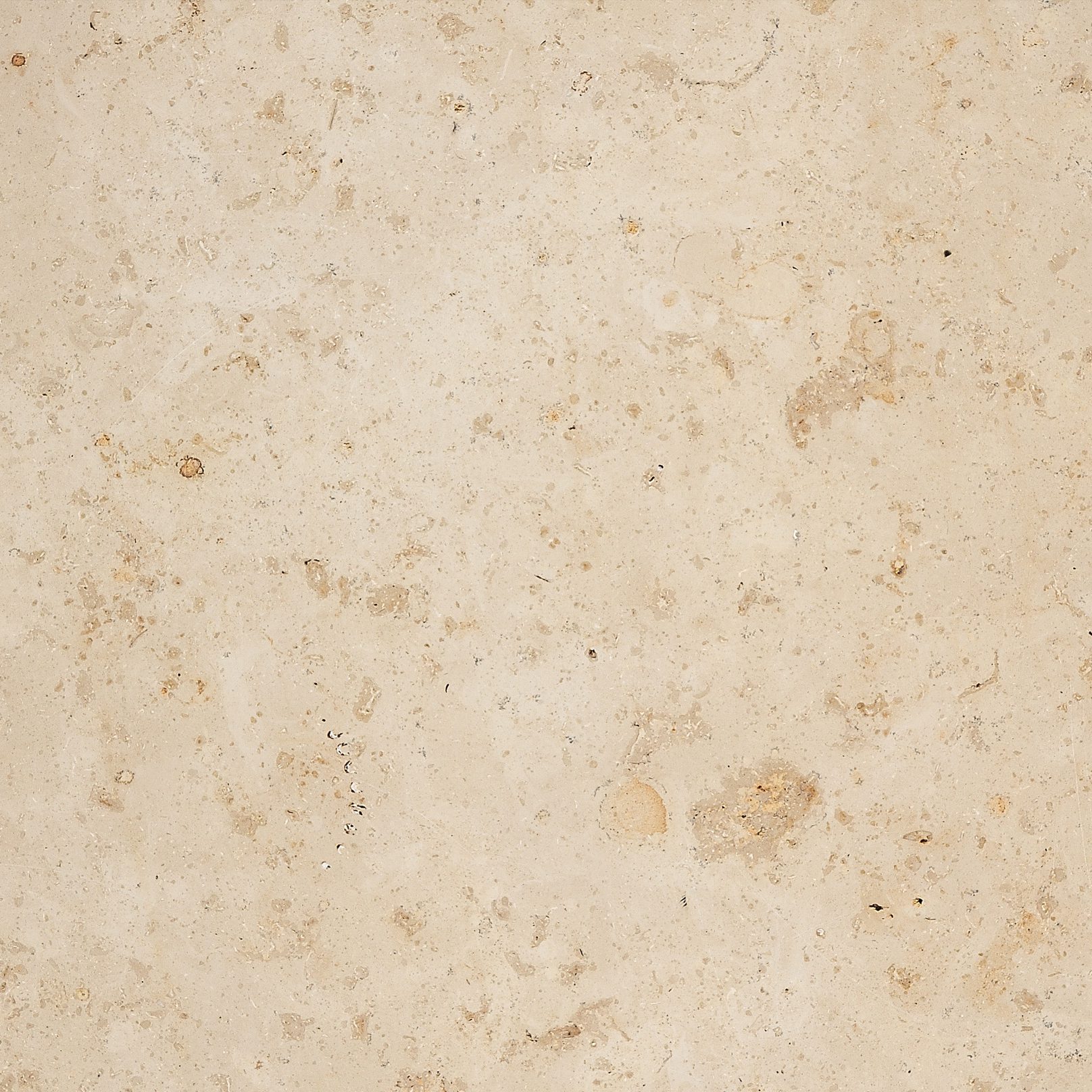
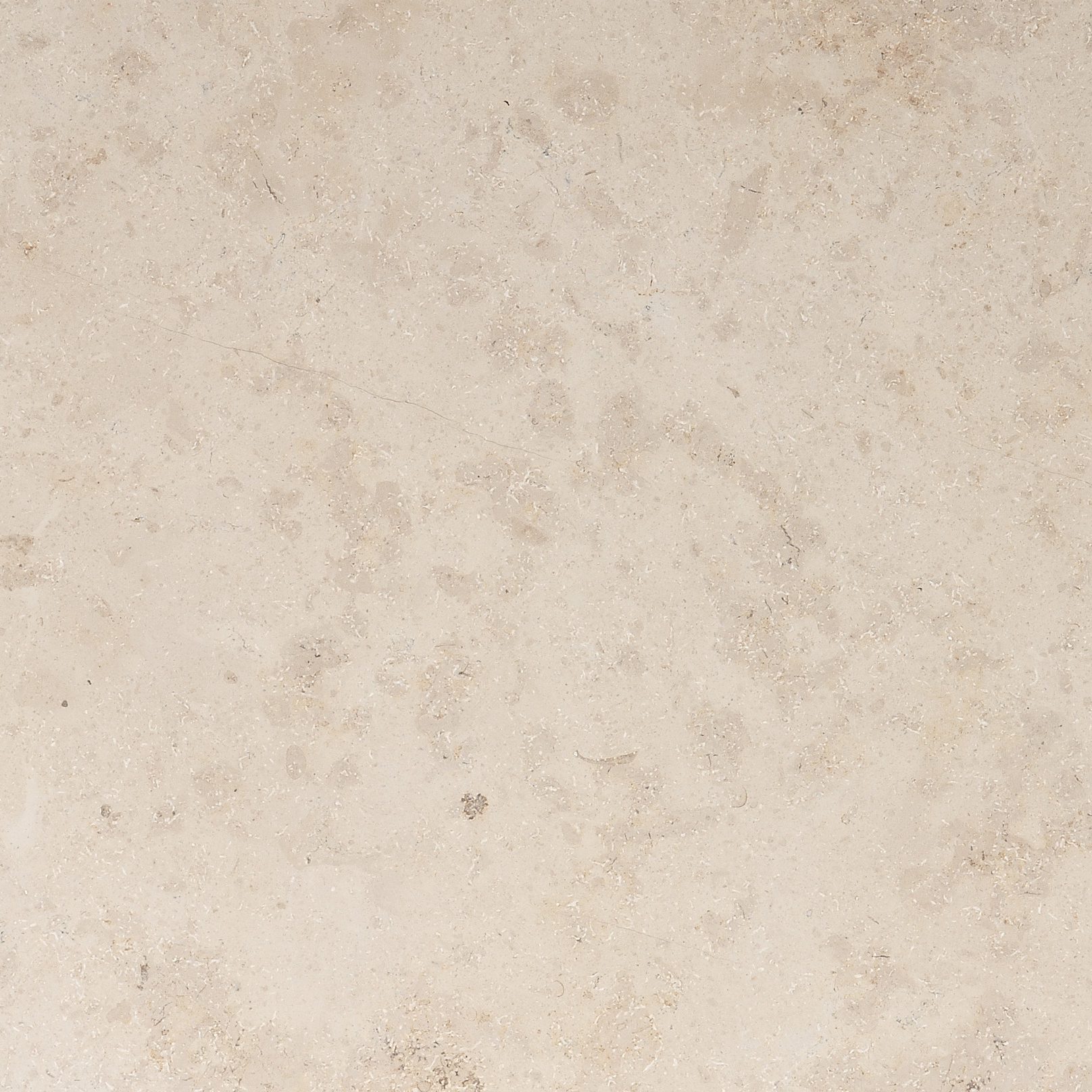
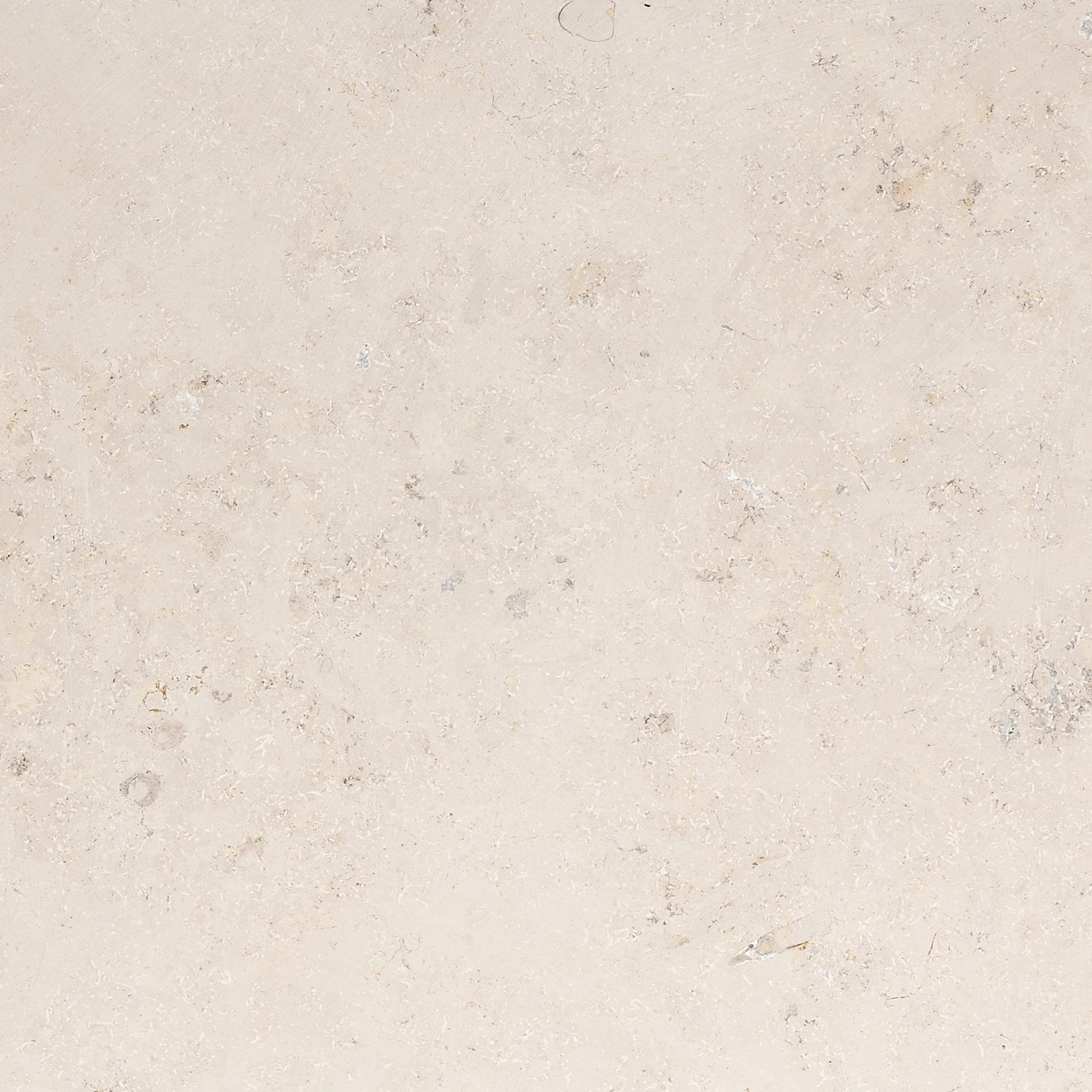
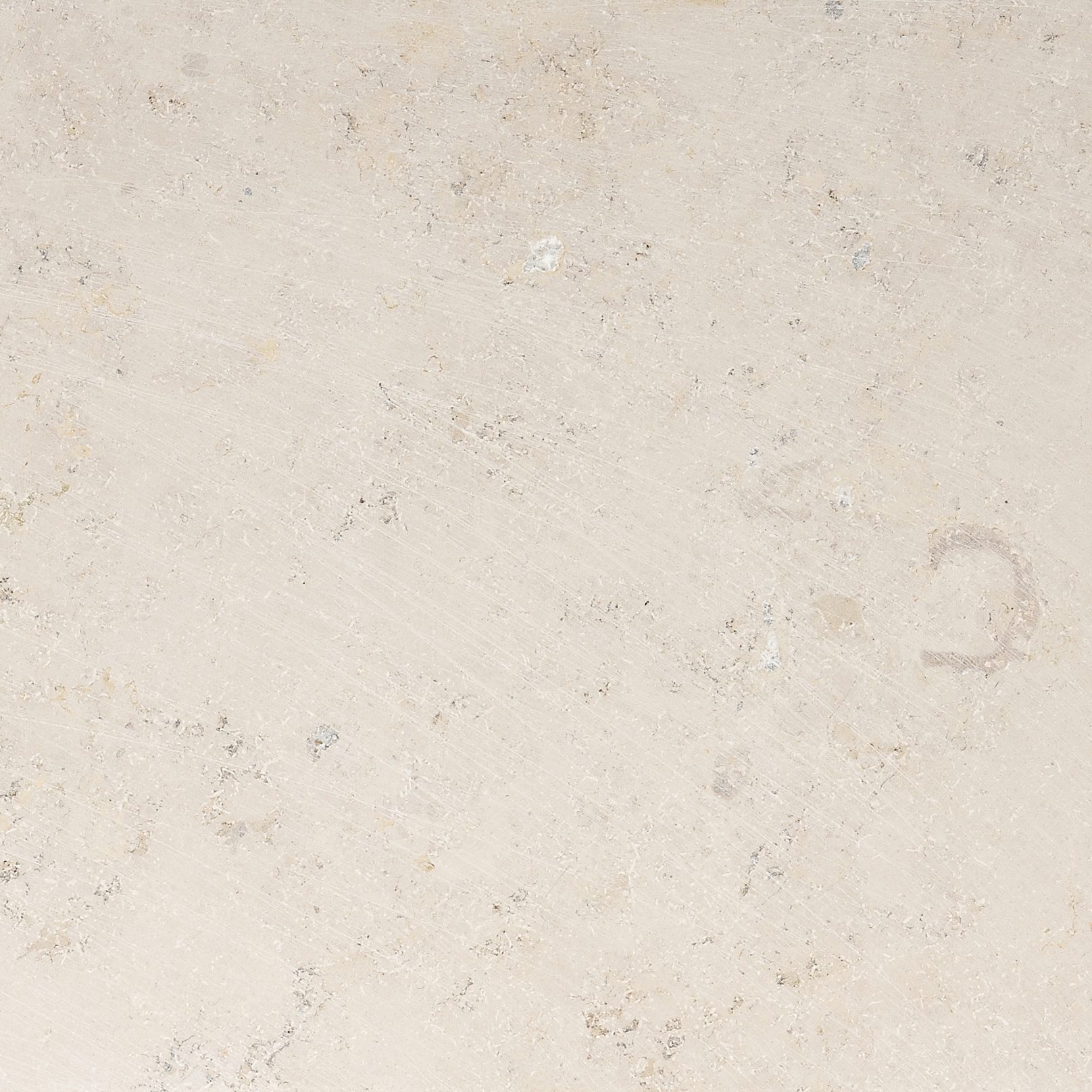
Because limestone contains a variety of minerals, it comes in a variety of colors. The color spectrum ranges from gray to brownish, from light beige to dark brown, from red, green, gray, blue, black, yellow to pastel shades of pink or orange.
Limestone texture
Most types of limestone have a granular structure. The size of the grains that make them up ranges from 0.001 mm to visible particles. In most cases, the grains are microscopic, but in some types, fossils, fragments of animal shells, are visible.
Limestone surface treatments
The most common method of surface treatment of limestone is grinding. It reflects light, but shines less than polished. The surface is smooth. Many other surface finishes are performed: polishing, sandblasting, waterjet finishing, bushhammering, chipping. Thanks to modern stone processing equipment, we can perform milled, sandblasted patterns on flat and curved stone surfaces.
Limestone products