

TRAVERTINE
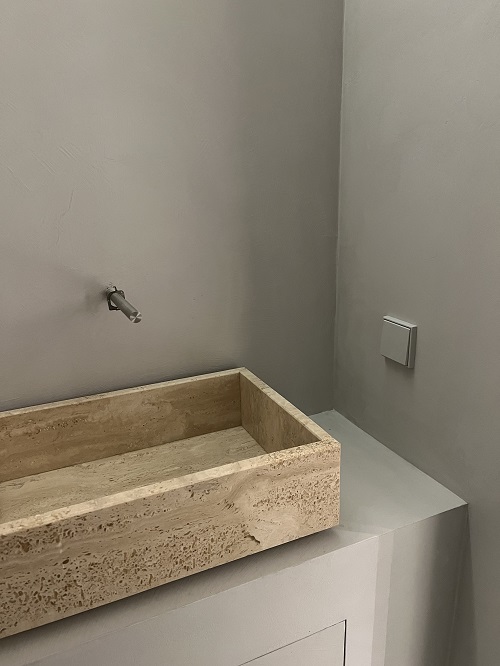
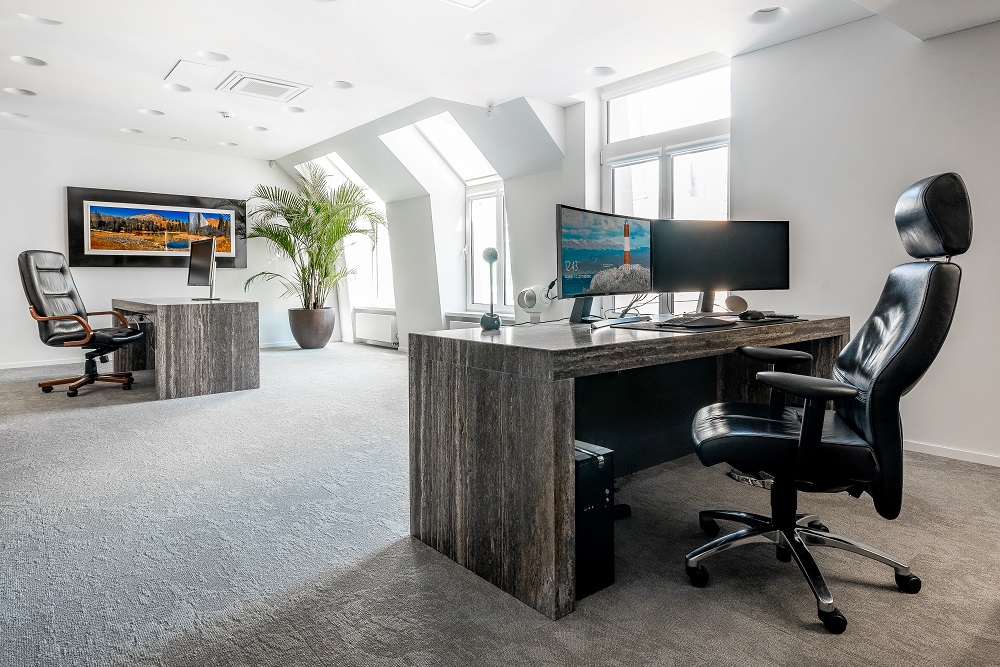
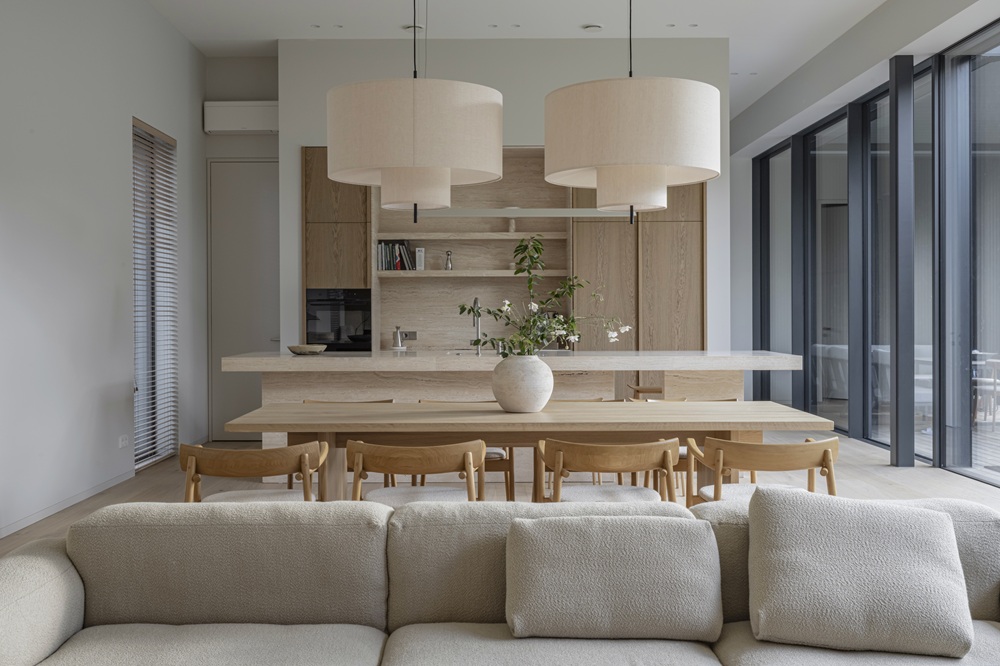
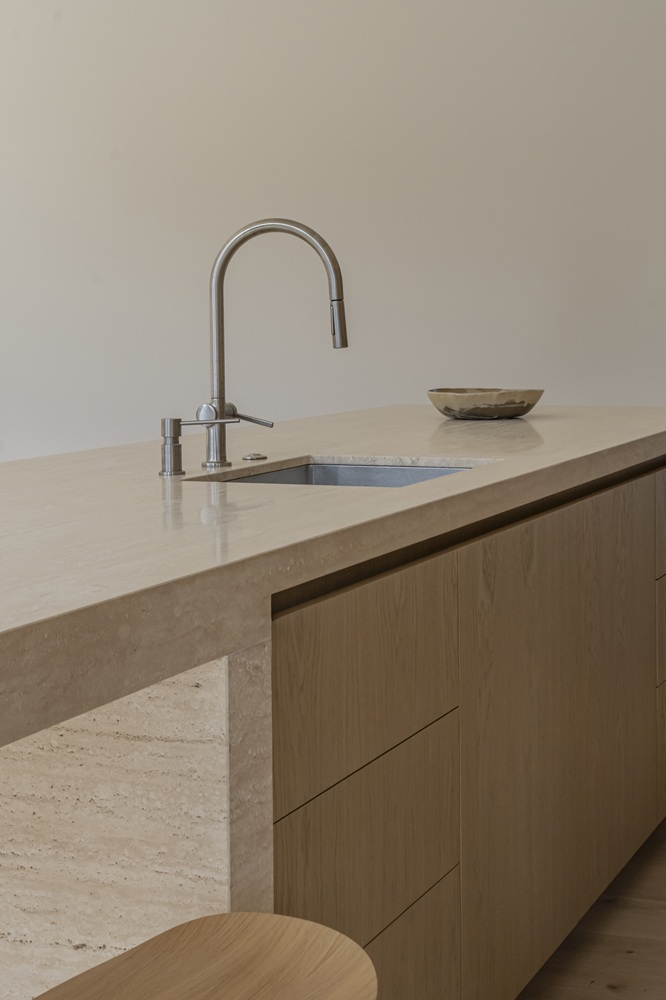
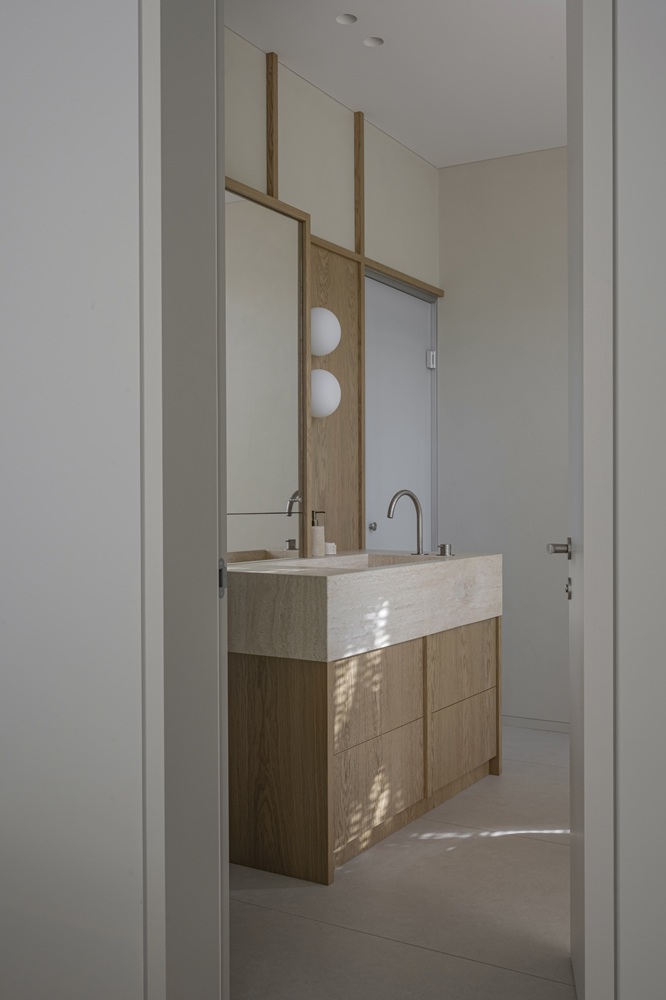
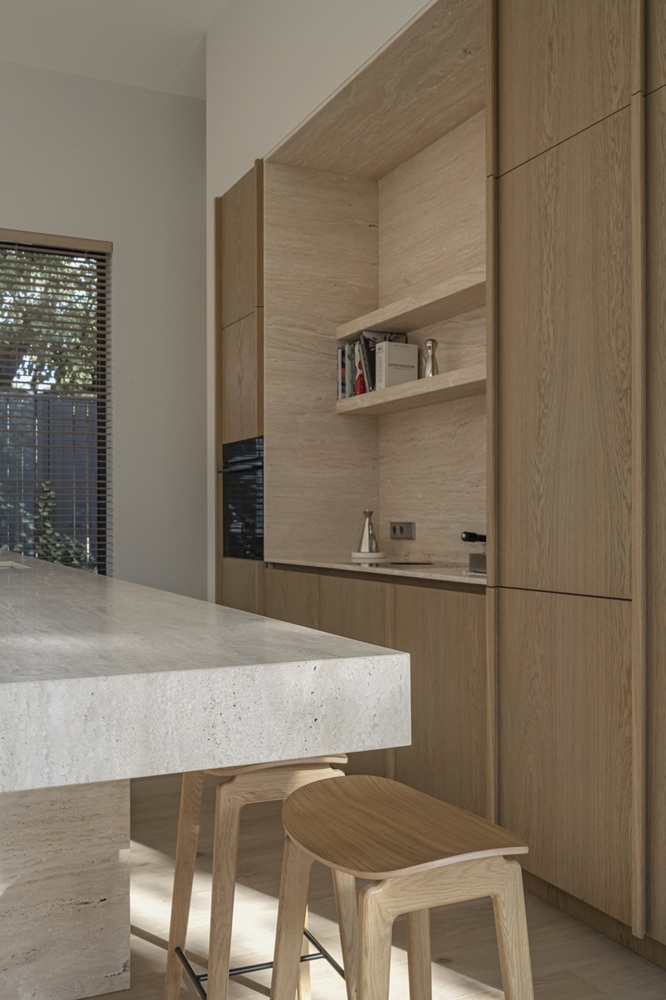
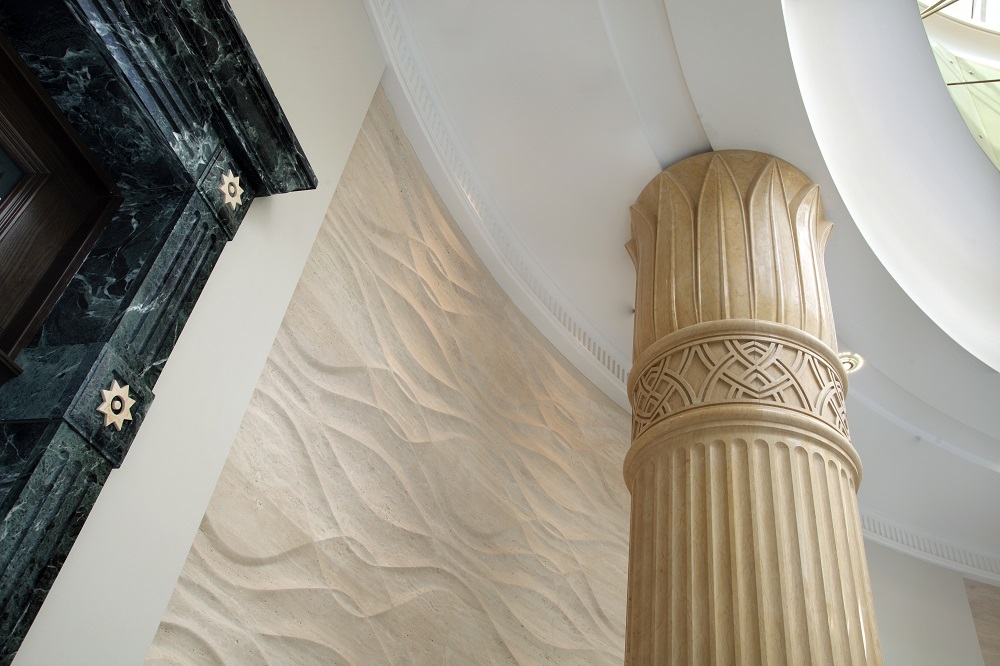
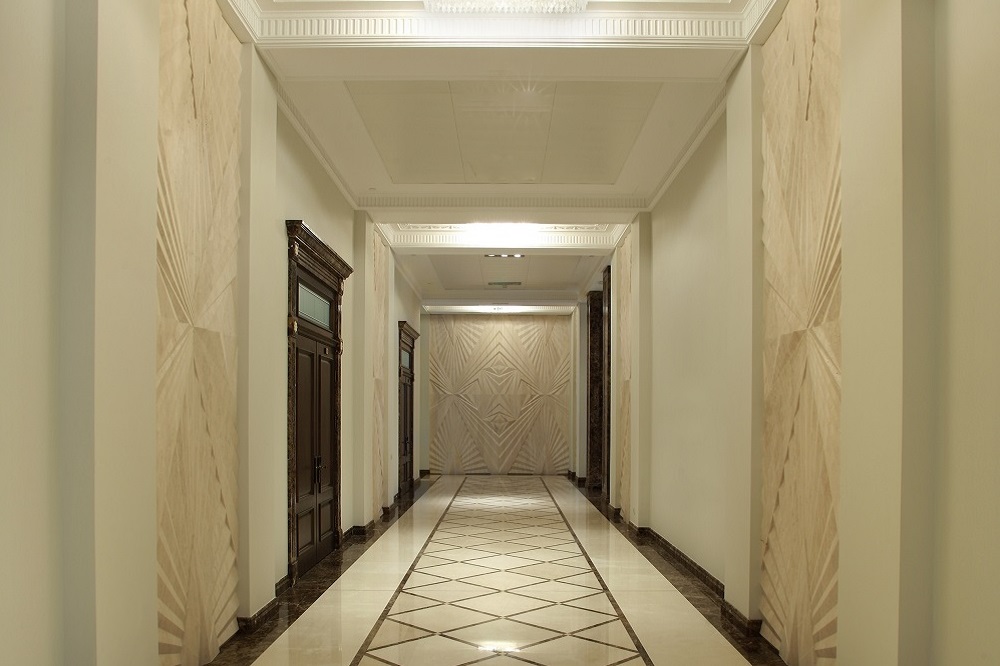
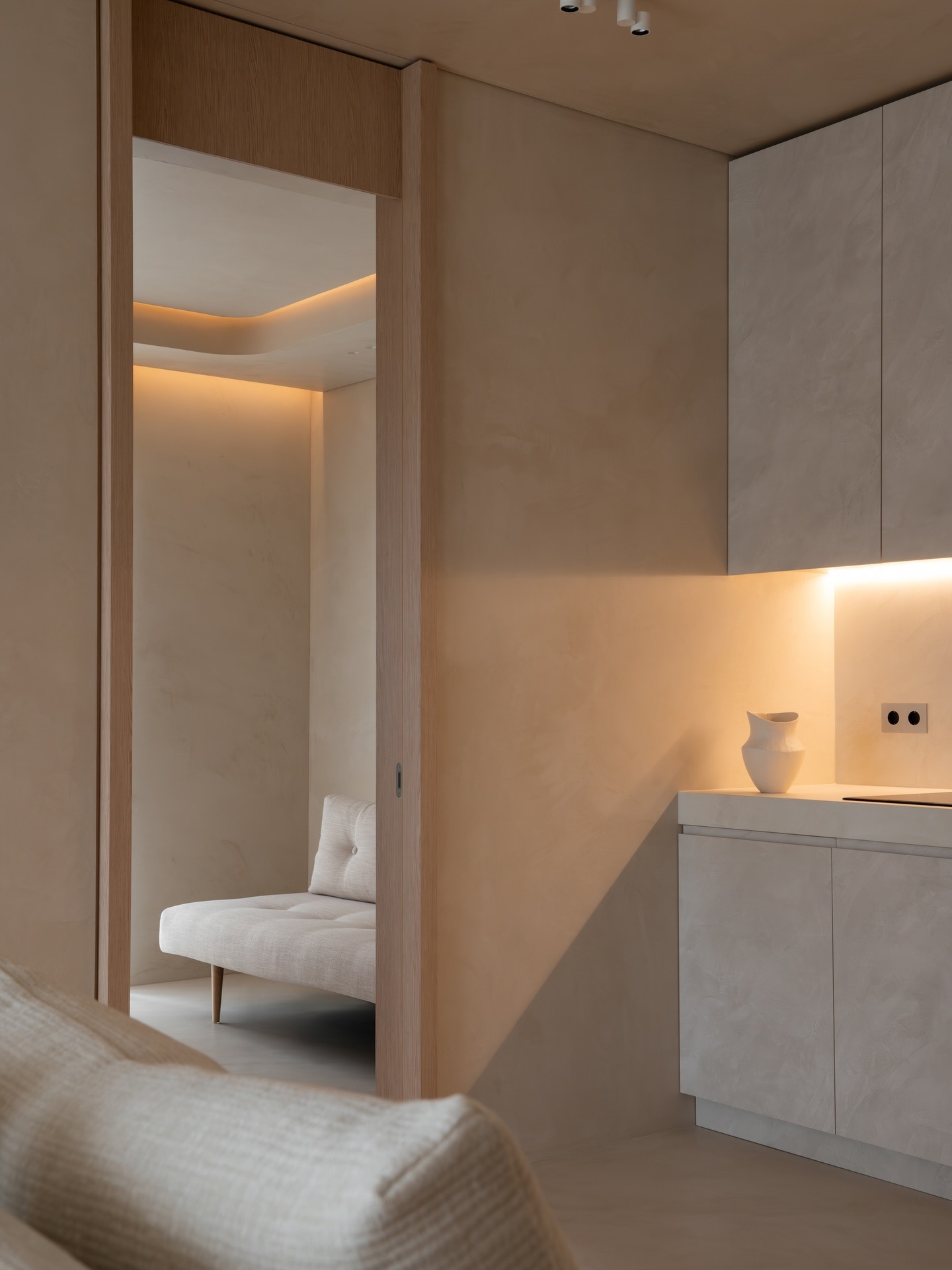
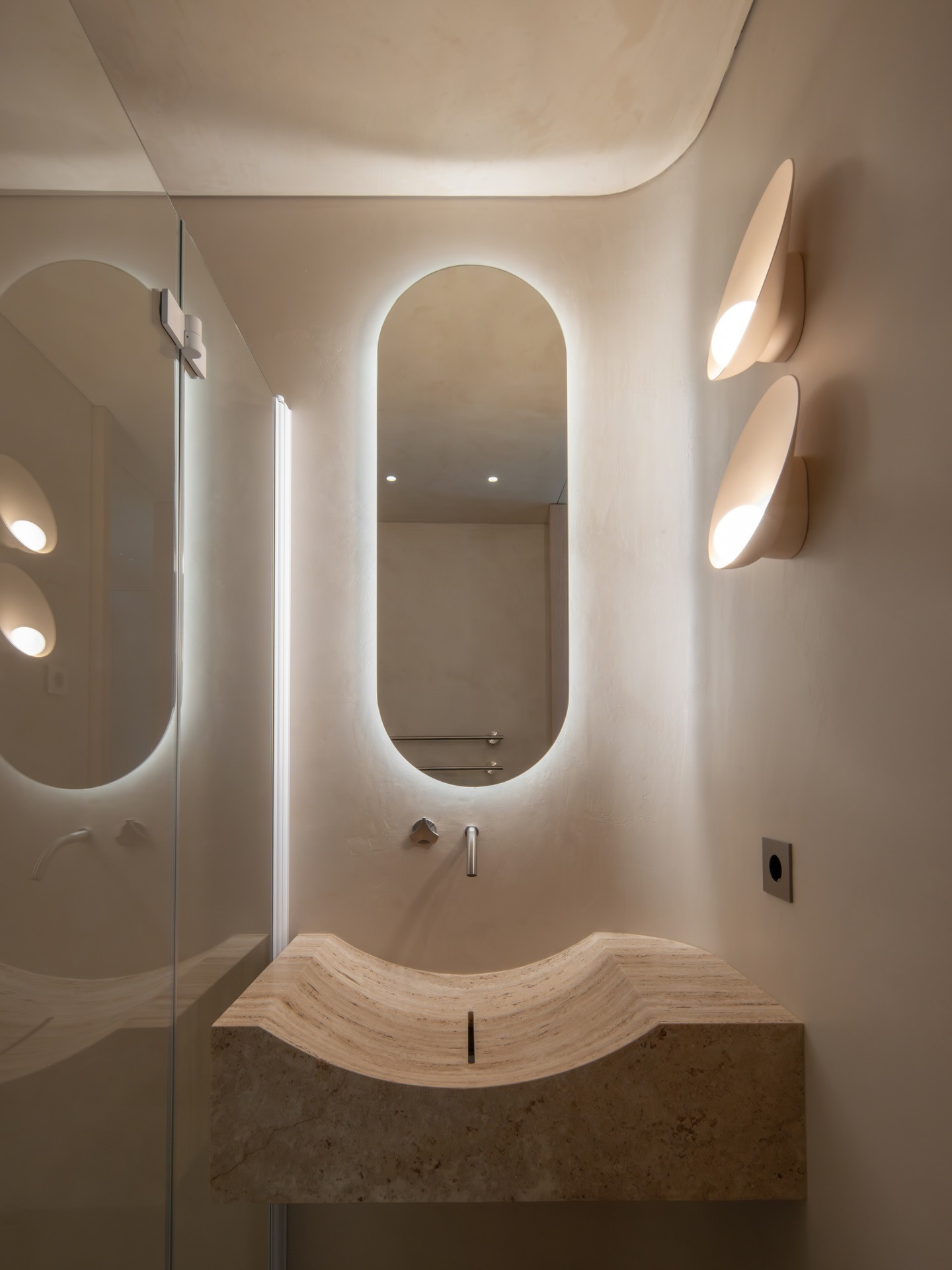
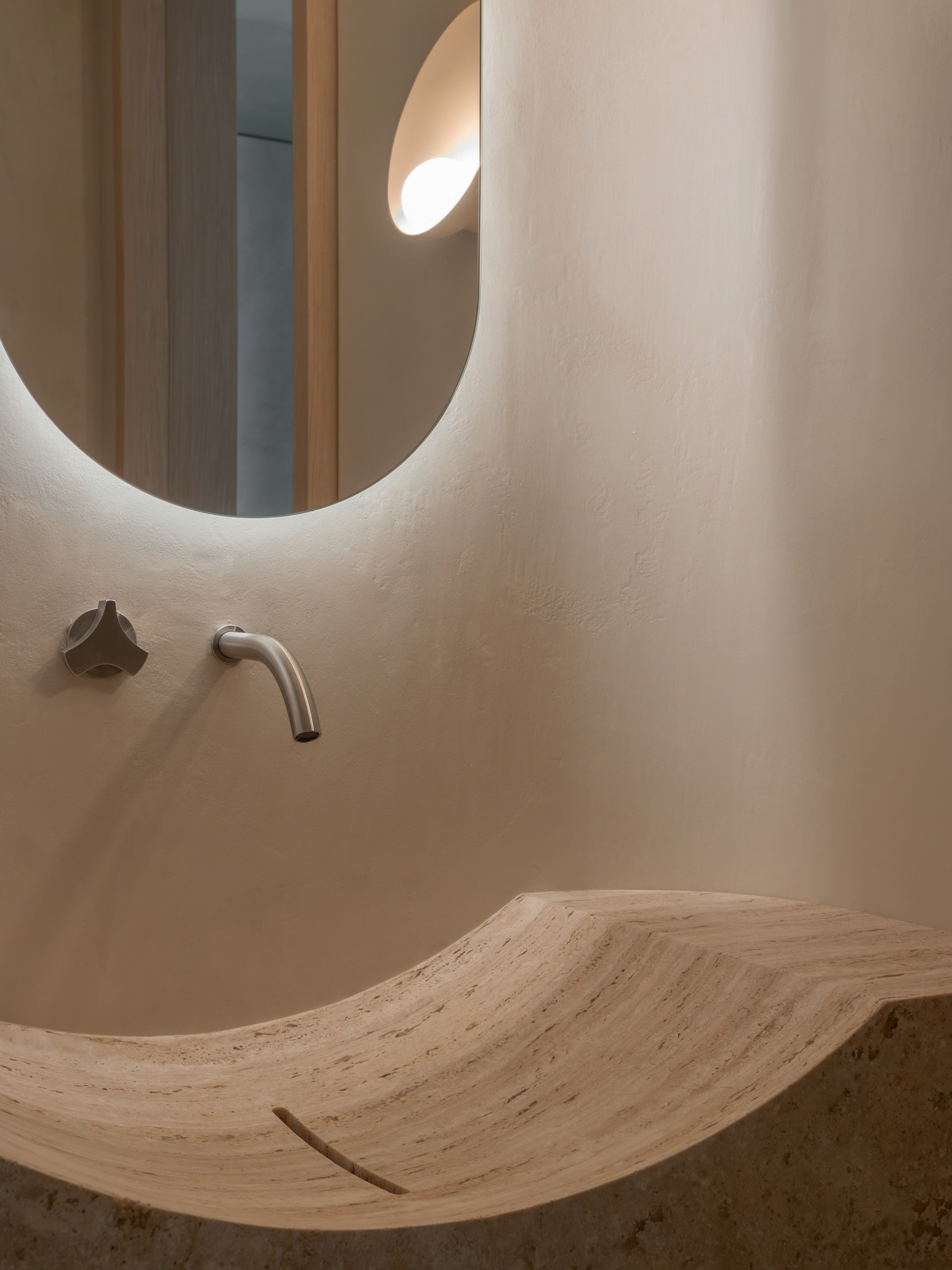
Travertine is a symbol of timeless and balanced luxury. It has been used in architecture since ancient times, and is therefore associated with elegance, warmth and sophistication. This stone is surprising in its versatility. Wall and floor decoration, solid wood tables, stairs, fireplace decoration - products made of travertine always look cozy and never the same.
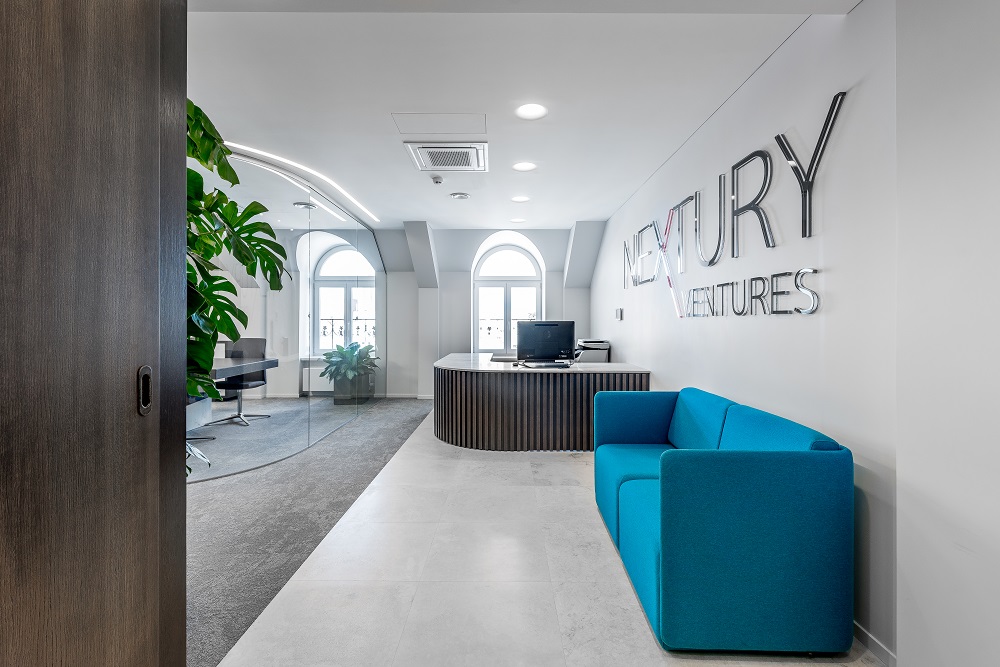
Due to its historical heritage, one might think of travertine as a stone suitable only for antique homes, but that is not the case at all. Travertine stone is also suitable for modern-style spaces. Architects and designers choose travertine not only for its unique aesthetic properties, but also for its variety of shapes and sizes.
AKMI can offer all forms of travertine to realize your idea: from large travertine slabs to mosaic tiles. Many colors and types of travertine, not forgetting the many finishing methods with which it can be enriched and beautified.
Travertine types

Ivory

Ocean Blue

Silver
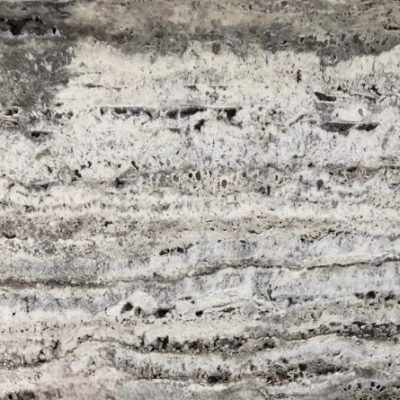
Silver Dark

Navona

Titanium

Velvet

Tobacco

Persian Yellow

Persian Red

Noce
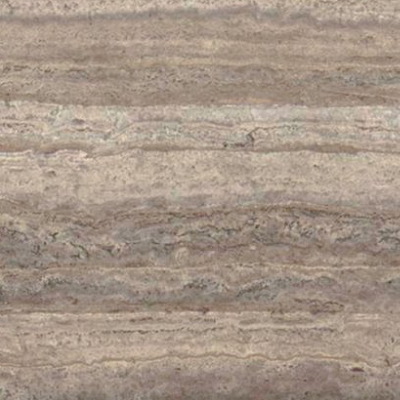
Silver
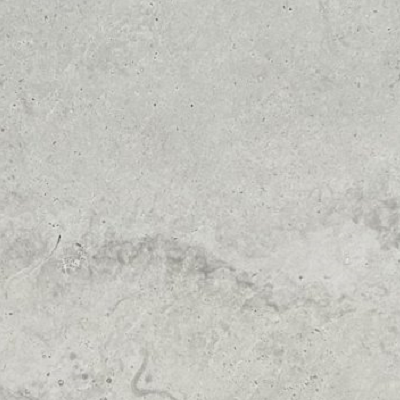
White

Grey
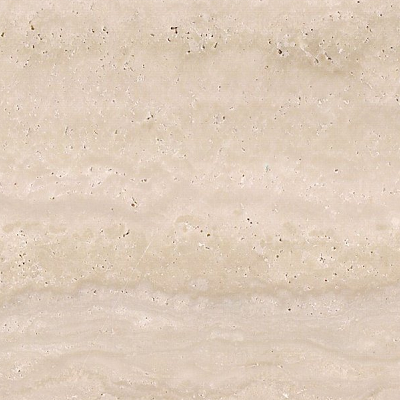
Roman Classic
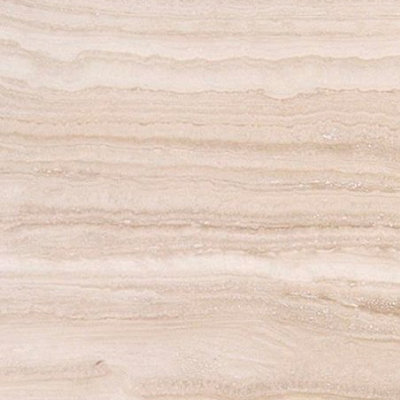
Romano Navona

Classic Type

Walnut

Travertine colors
Travertine colors
TRAVERTINE CUTTING DIRECTION
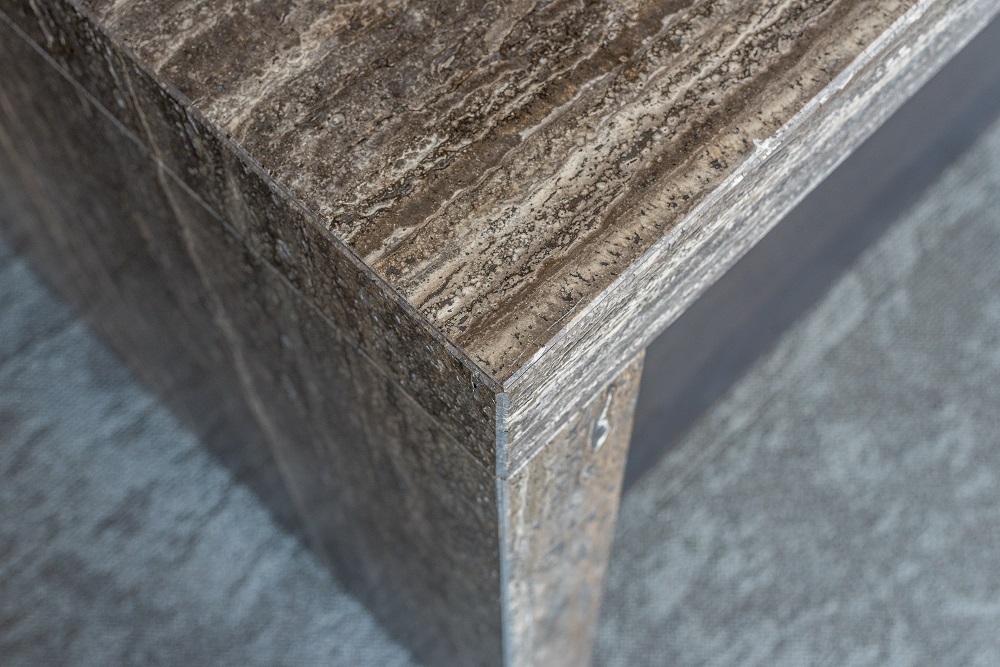
A very important aspect when it comes to travertine is the direction of the cut. Vein cut and cross cut – these two terms refer to the direction of the cut in which the travertine block is cut: in the case of cross cut travertine, the cut is parallel to the layering, and when the travertine is cut with veins, the cut is perpendicular to the layering.
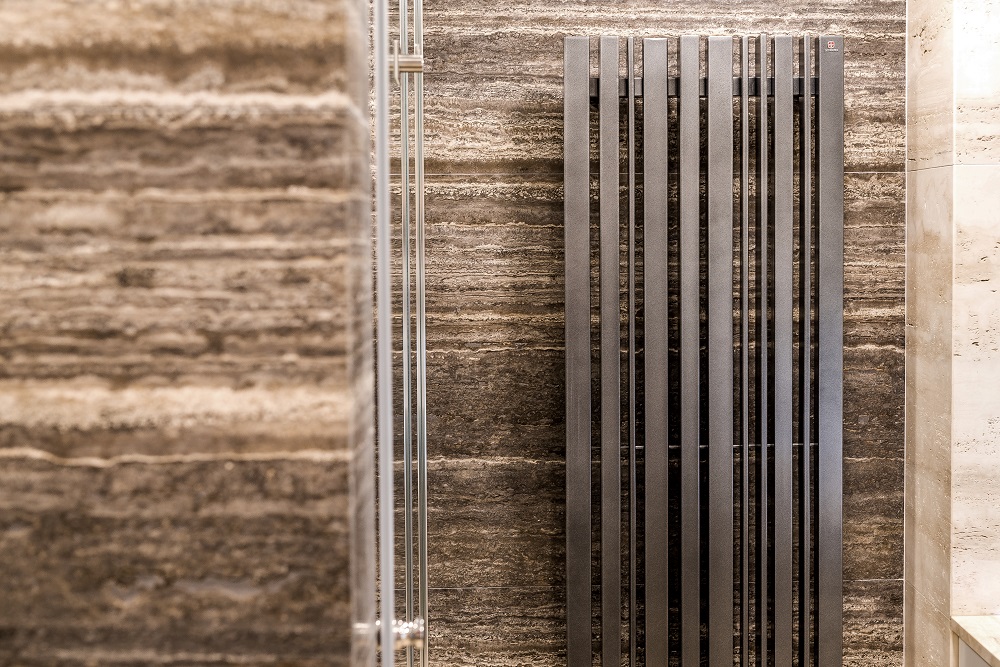
Depending on the direction of the cut, the final result is very different. So different that it makes you think that these are two completely different materials, even if they are obtained from the same block. Historically, the most common travertine is cut in veins. Cutting this way produces a travertine slab with bright and clear bands. These are limestone deposits that have been deposited on top of each other over geological periods.
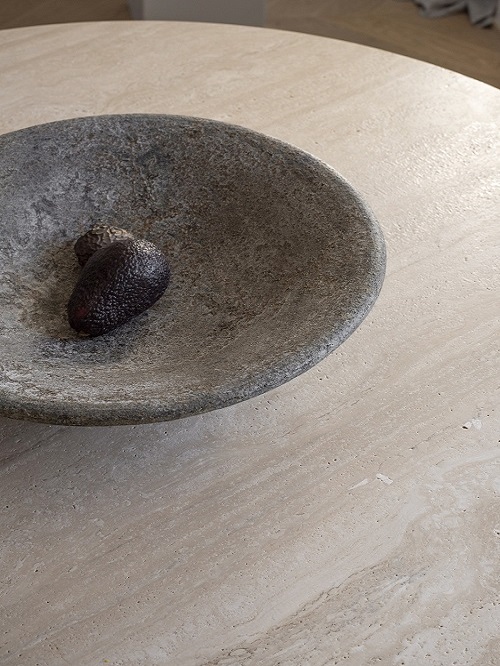
Perpendicular cutting of travertine is also increasingly used: in this case, the layers are not visible, and instead of veins there is the so-called "nuvolature", i.e. light and dark clouds.
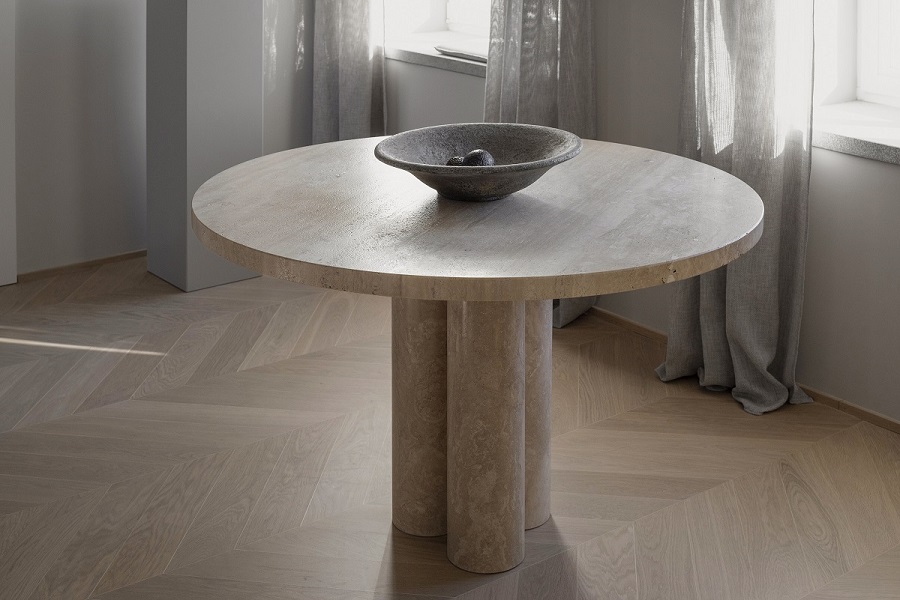
TRAVERTINE SURFACE TREATMENT
Filling marble and travertine surfaces is an integral part of natural stone processing. It is done for hygiene, aesthetic reasons or to increase the durability of the material. The most common travertine filling options, distinguished by their efficiency and quality of the final result:
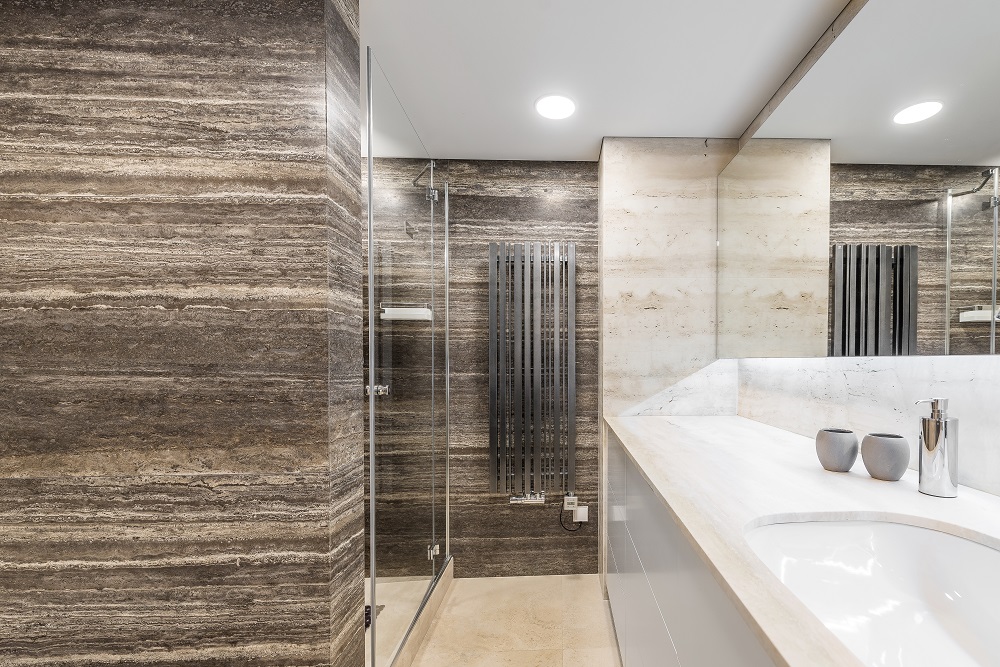
Stone-colored cement filler
Used for both vertical and horizontal finishing elements. The structure of travertine becomes less expressive.
Stone colored polyester mastic filler
Used for horizontal surfaces (e.g. floors) where greater mechanical surface resistance is required.
Transparent polyester resin filler
Used to fill holes in travertine due to its mechanical properties, but preserving the natural color and structure of the stone.
These fillers are always combined with mechanical surface treatment (e.g. grinding or polishing).
It is important to remember that travertine is characterized by its irregular and porous texture. Open-pore travertine is a very beautiful solution, but regular maintenance will be required to maintain its original condition. When installing natural stone cladding, whether open-pore or closed-pore, it is always recommended to use quality maintenance products to ensure that the material remains unchanged over time.
TRAVERTINE PRODUCTS